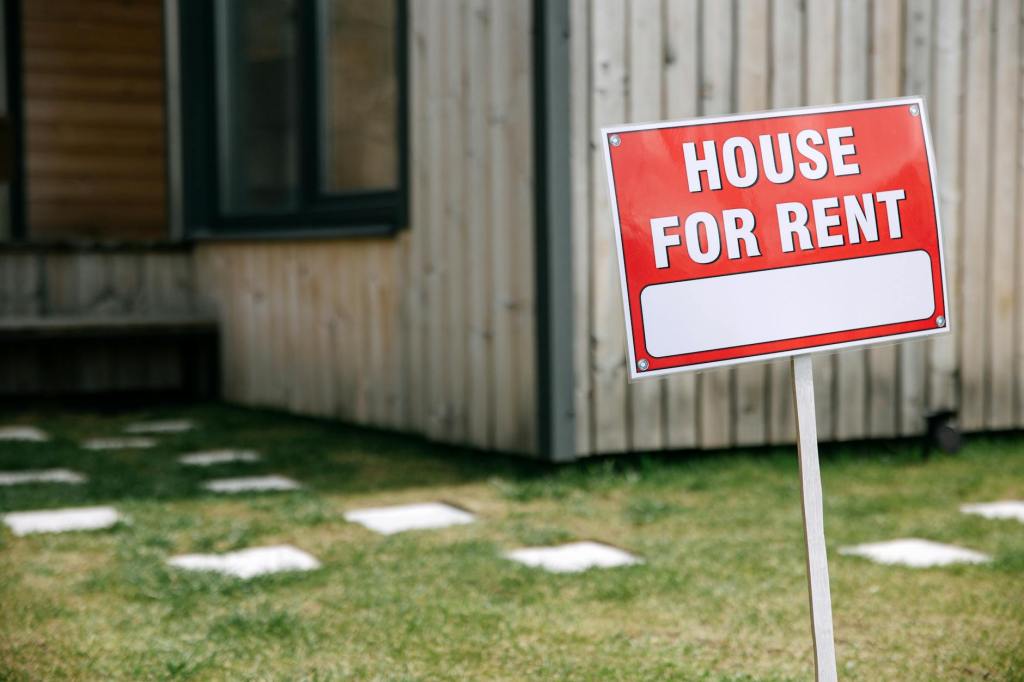
Recently, I found myself in renter’s court, finally evicting a tenant who hadn’t paid rent in four months. What struck me the most during this process was how easily this tenant manipulated the legal system to maximize her time living rent-free. The laws and courts seemed to be on her side, not mine. While it’s important to have empathy for tenants and prevent landlords from taking advantage, the current tenant-friendly laws in many jurisdictions often have unintended consequences that can make life harder for renters. This may be a road paved with good intentions.
How Tenant-Friendly Laws Backfire
Tenant-friendly laws are designed to protect renters from unfair practices by landlords, ensuring they have safe and affordable housing. However, these laws often end up backfiring, creating an environment that discourages investment in rental properties and ultimately hurts the very people they are meant to protect.
- Discouraging Investment in Rental Properties
One of the most significant impacts of tenant-friendly laws is that they discourage real estate investors from putting their money into cities and states where these laws are prevalent. Investors are wary of places where it’s challenging to manage properties or evict tenants who are not paying rent. Ask any investor and they will tell you they avoid investing in “blue states” because they tend to have laws that are skewed greatly towards the tenants. As a result, fewer rental units are available, and the ones that are tend to come with higher rents. This reduction in supply, combined with increased demand,f, making it harder for renters to find affordable housing.
- More Stringent Tenant Selection
In areas with strict tenant protections, landlords become extremely cautious about who they rent to. They can’t afford to take risks on tenants who might cause problems down the line. This means that even good tenants—people who may have had a few bumps in the road financially but are now stable—often get passed over.
I recently had a patient in my office who was essentially homeless, despite having a good income. His situation wasn’t due to a lack of funds but rather because of something he had done several years prior. Landlords were so afraid of taking on someone who might cost them thousands of dollars that they wouldn’t give him a chance. This cautious approach makes it harder for many people to find housing, even when they are otherwise qualified.
- Fewer Available Rental Units
Another consequence of tenant-friendly laws is a decrease in the number of rental units available. When landlords face challenges like drawn-out eviction processes or the inability to collect rent, they may decide to sell their properties or leave them vacant rather than rent them out. This leads to a scarcity of rental units, which drives up the cost of housing even further.
In essence, these laws create a higher barrier to entry for renters, hurting the very people they are trying to help. Those who do find a place to live often face higher rents and tougher living conditions because landlords must recoup the potential costs of dealing with difficult tenants.
The Need for Balanced Legislation
Let’s be clear, I am not advocating for a political party or ideology (I consider myself a radical centrist) While tenant-friendly laws aim to protect renters, they often create a ripple effect that harms the broader housing market. Laws that make it nearly impossible for landlords to evict non-paying tenants or that heavily favor tenants in disputes create an environment where landlords are more likely to avoid risk. This risk aversion can lead to higher rents, fewer rental properties, and stricter tenant selection criteria, making it even more difficult for renters to secure housing.
What’s needed is a balanced approach that protects tenants from unfair treatment while also ensuring that landlords can manage their properties effectively. This balance is crucial for maintaining a healthy rental market where both landlords and tenants can thrive.
Final Thoughts
The intention behind tenant-friendly laws is noble—they aim to protect renters from exploitation and provide them with secure housing. However, the reality is that these laws often make it more difficult for people to find and keep affordable housing. By discouraging investment in rental properties and making landlords overly cautious, these laws can inadvertently harm the very people they are designed to help.
It’s time for lawmakers to consider the broader impact of these regulations and work towards creating policies that benefit both renters and landlords. Only then can we create a housing market that is fair, affordable, and accessible to everyone.
 Grove Family Investments
Leave a comment